
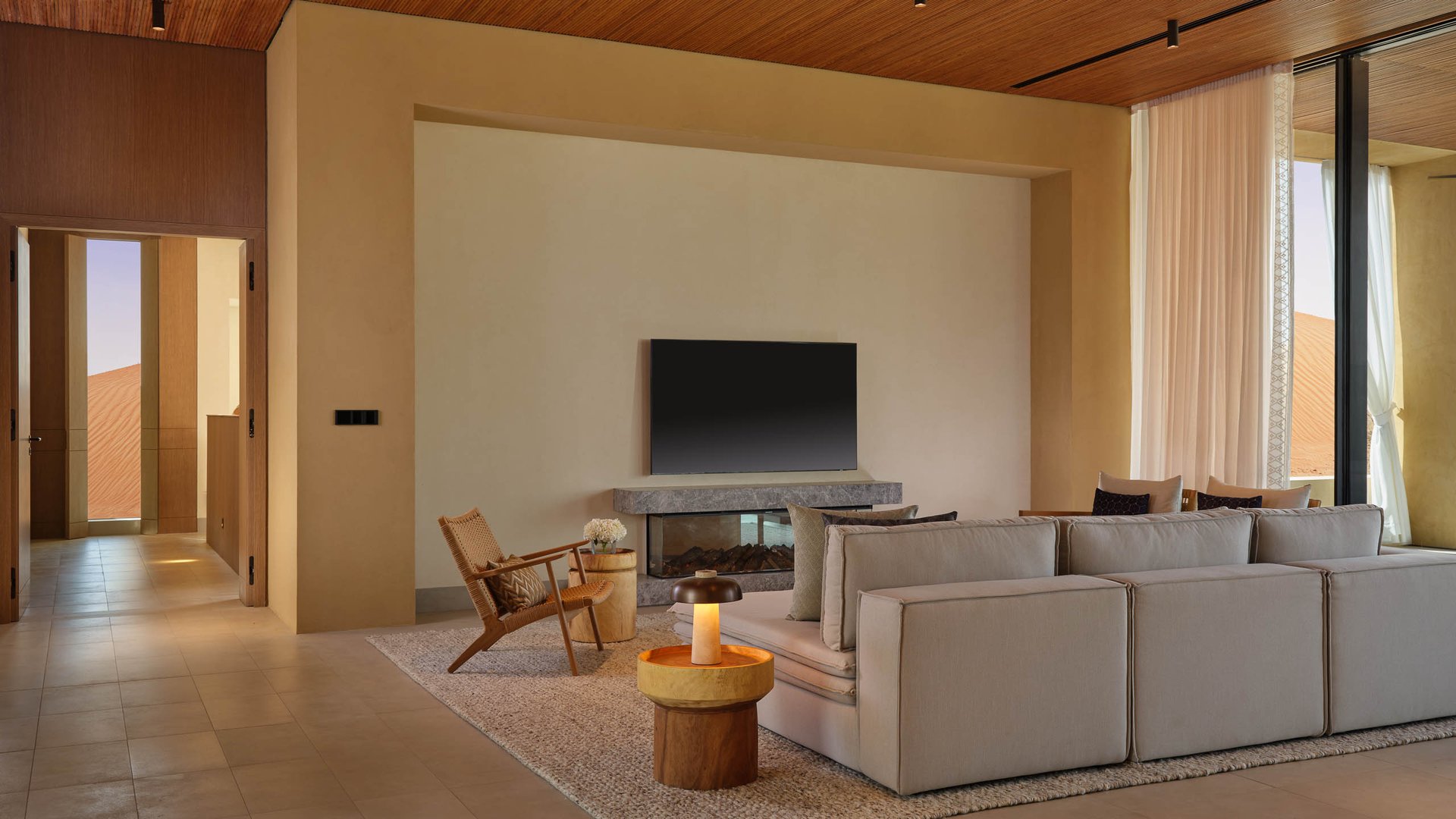
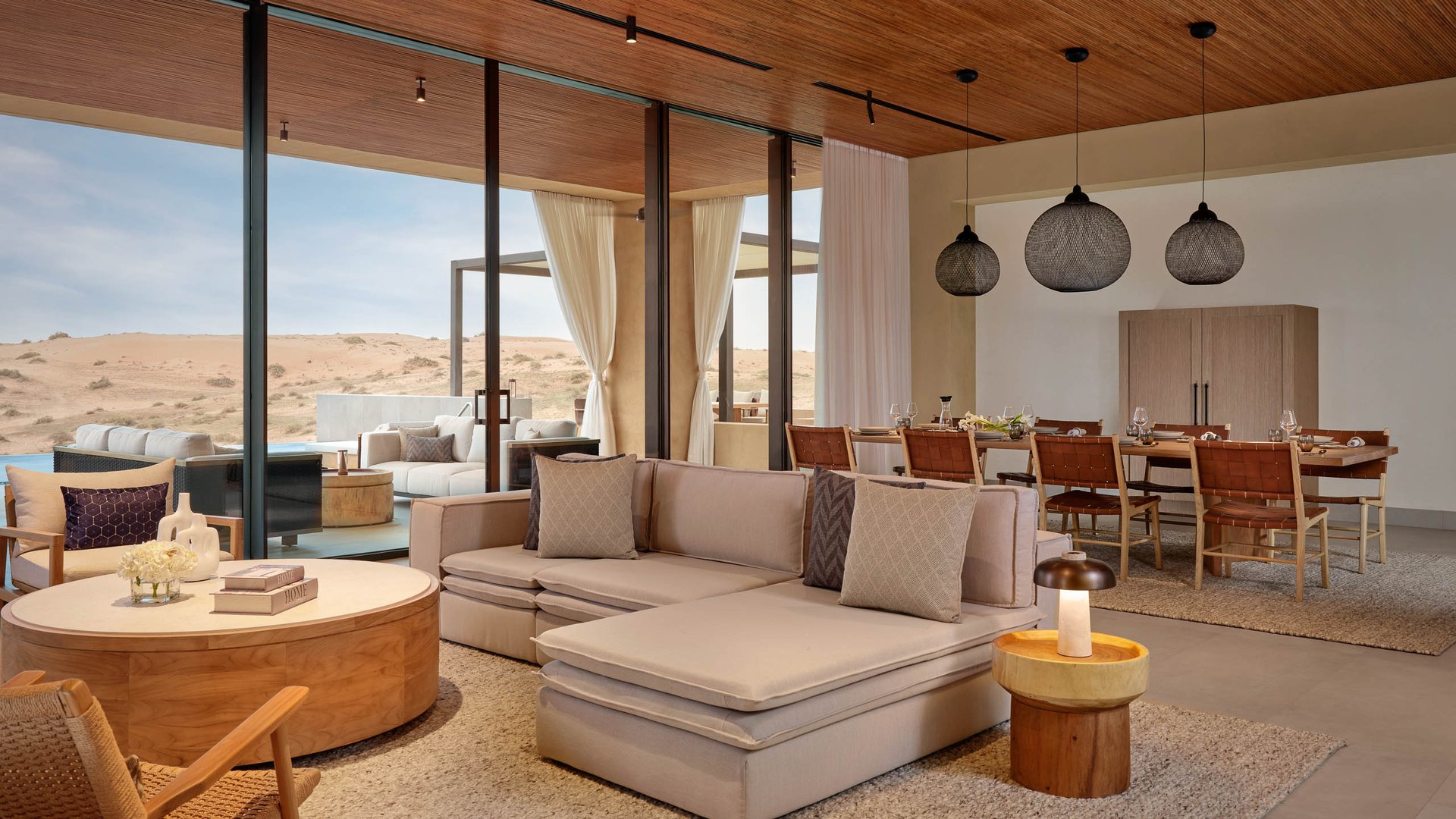
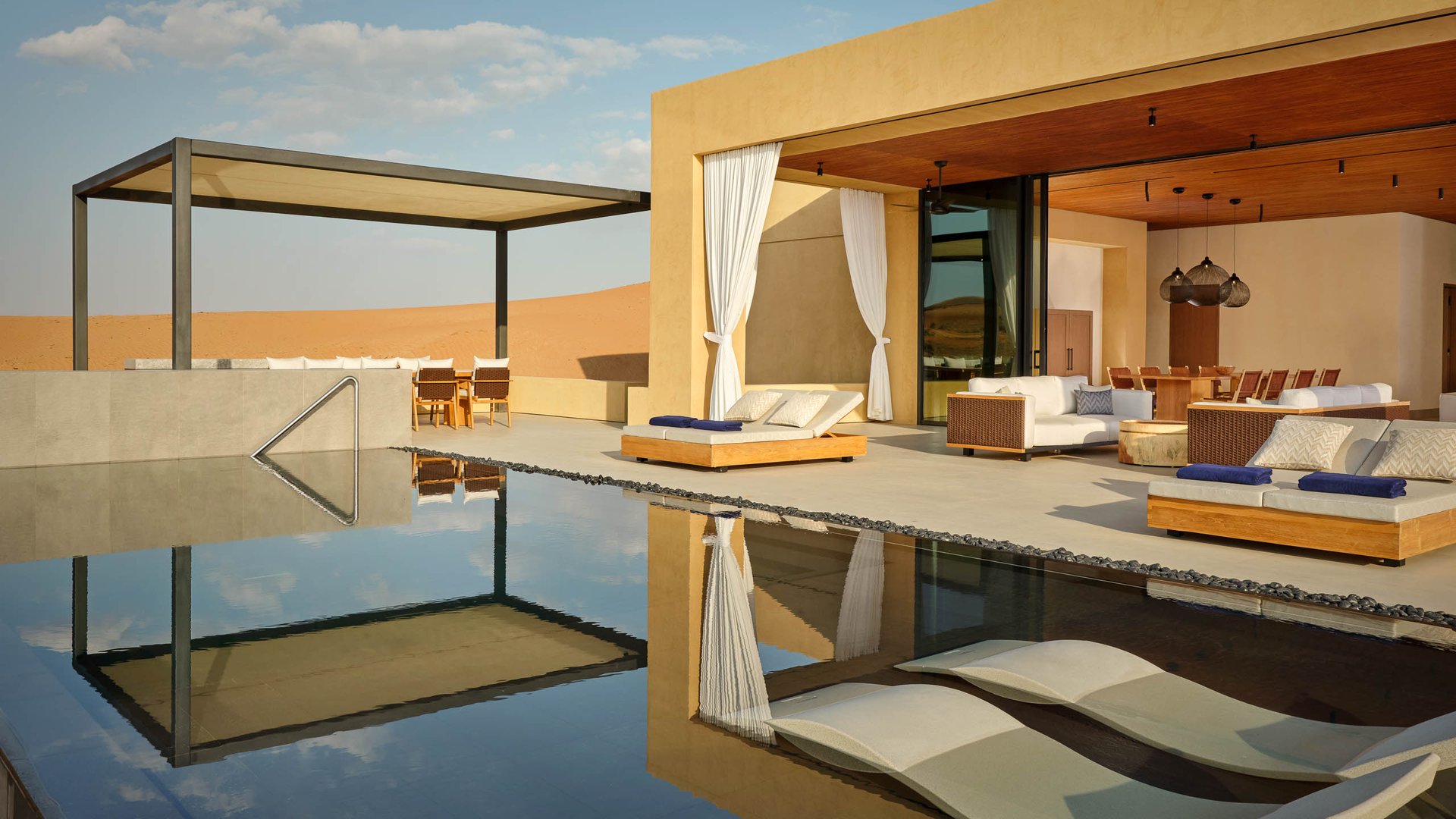
The convenience case: every hotel shoot asks something of the property: rooms held back from sale, staff on hand to move furniture, guests worked around. That ask is the same whether a crew is there for stills, for film, or for both. Running them separately means asking twice- twice the rooms blocked, twice the staff time, twice the disruption to a property that's still operating as a hotel throughout. Running them together means the property absorbs that disruption once.
The cost case Combined with stills, much of the overhead is already accounted for: the crew is on site, the lighting is rigged, the rooms are dressed. Film becomes an incremental cost on top of a shoot you were commissioning anyway, rather than a second commission in its own right. For most properties, this is the difference between film being affordable this year and film being deferred to "maybe next year's budget."
Film for hotels works best when it isn't treated as a separate production. Combined with a photography shoot, it becomes an addition to a process that's already happening & not a second event with its own cost, its own disruption, and its own demands on the property's time.
Room preparation: this is the detail that's easy to underestimate. Getting a room ready for photography- dressing the bed, steaming linens, arranging furniture, clearing surfaces, checking every detail that a still camera will hold on for several seconds- takes real time from housekeeping and the on-site team. That preparation is always more thorough than a room set up for film alone, where a moving camera and a few seconds of screen time forgive far more than a static, scrutinised photograph does. Booking stills and film together means film benefits from a standard of room preparation it wouldn't get on its own, at no extra cost to the property in staff time.
luhme studio
Architectural photography, film, and 360 spatial capture.
© 2026 luhme studio
