
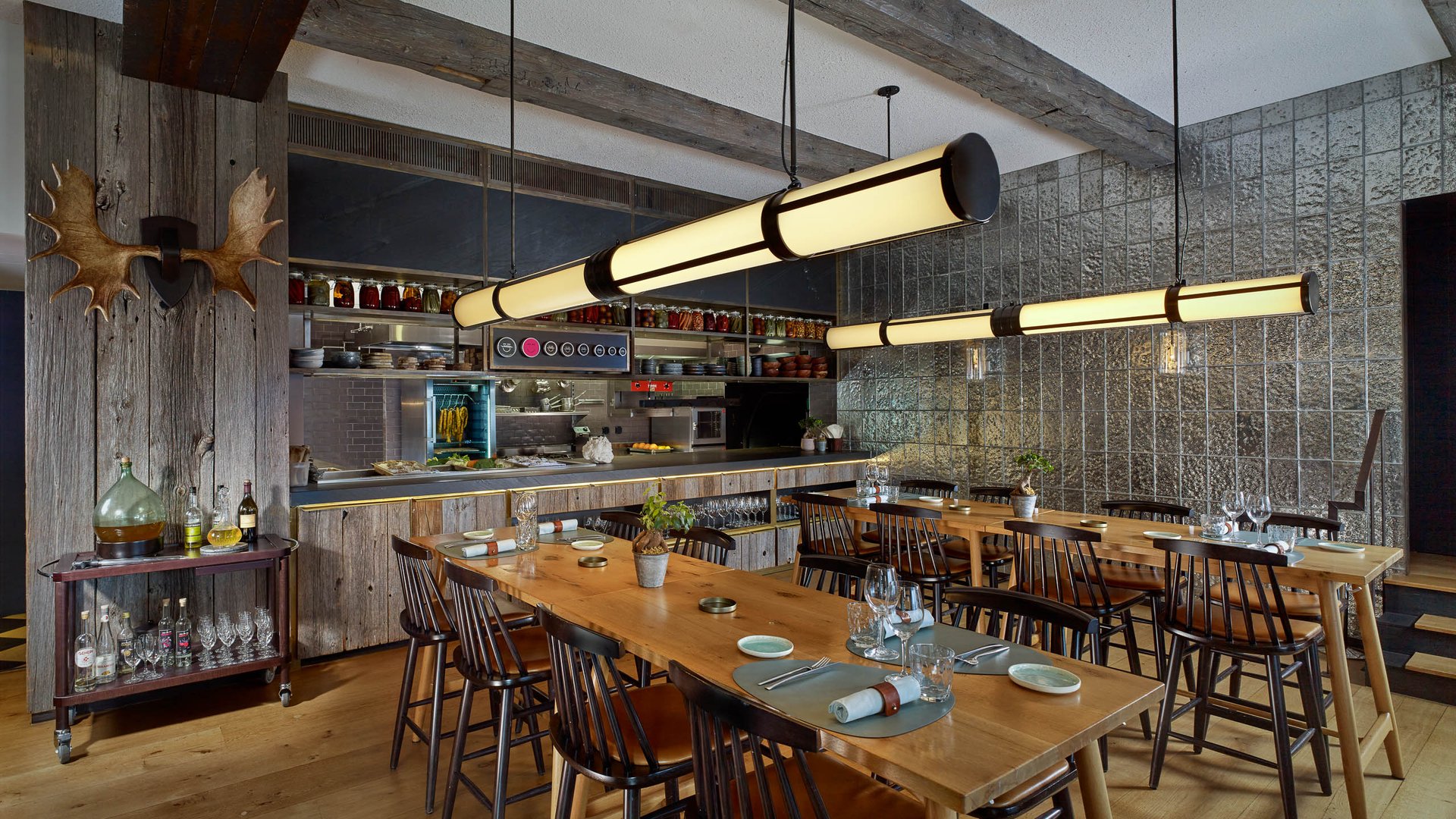
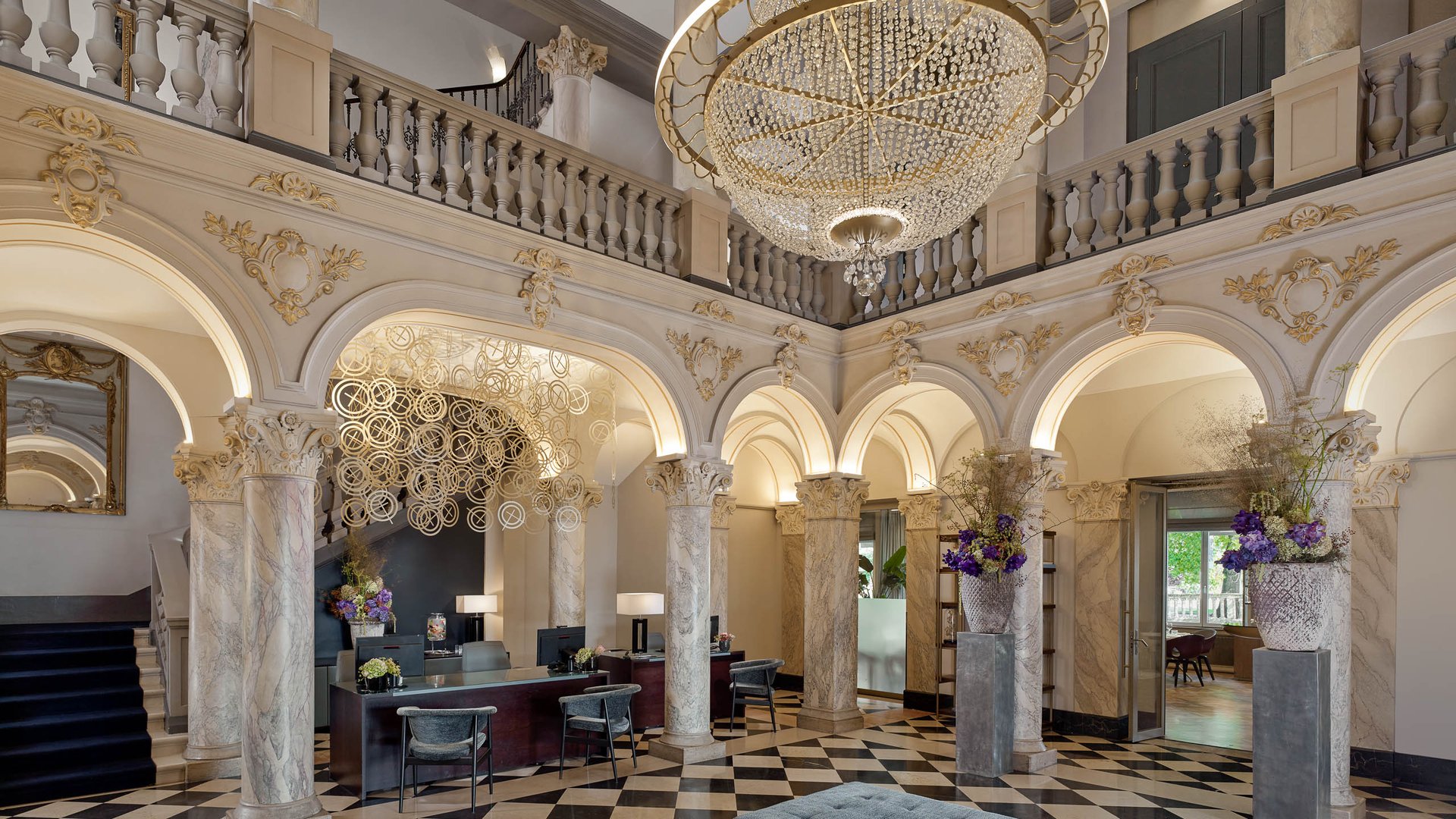
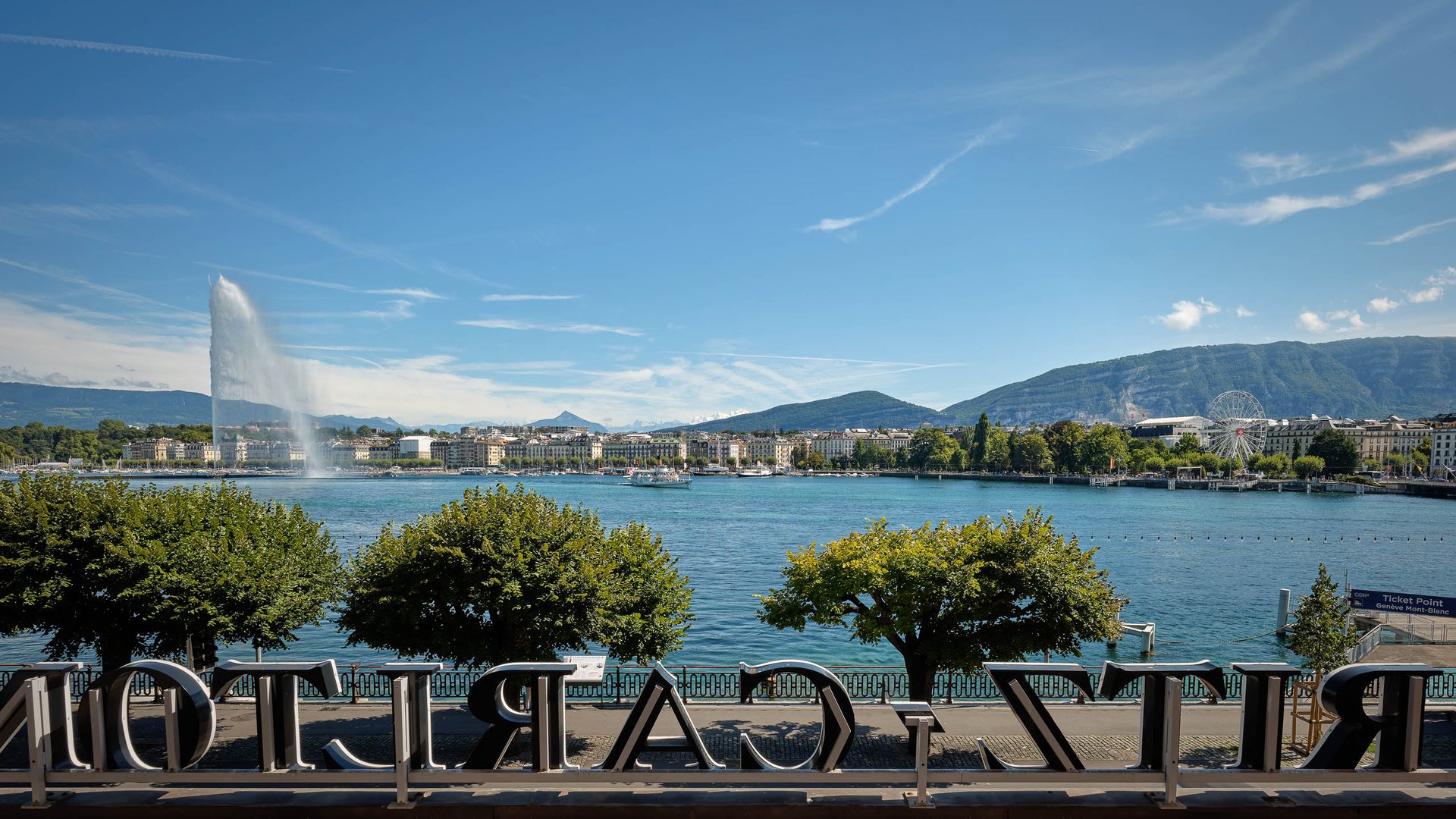
The value of a 360 image depends on how convincing it feels to look around, not just what it shows. Ours are captured and stitched to a high standard, so a viewer can look around the room without visible seams, distortion, or the low-resolution, disorientating feel that poorer-quality 360s have. That quality is what keeps a viewer engaging with the image rather than dismissing it after a glance, which matters directly to a marketing team, since a 360 that looks cheap reflects on the room itself.
Put together, a 360 image placed on a website or booking page does a specific job neither stills nor film do alone: it lets a prospective guest or event planner satisfy themselves about a space before they ever pick up the phone. For meeting and event bookings in particular, where the decision often rests on room capacity and layout, that's frequently the detail that moves an enquiry to a booking.
luhme studio
Architectural photography, film, and 360 spatial capture.
© 2026 luhme studio
